Thursday, January 29, 2015

EU Citizens Rights Exhibition on display in Ballinasloe Library.

The European Commission Representation in Ireland is launching a new exhibition on European Citizens' Rights entitled: "What does it mean to be a citizen of the European Union?".
Over twenty years ago the member states signed the treaty of Maastricht, which established EU citizenship. Any person who holds the nationality of an EU country is automatically also an EU citizen. EU citizenship is additional to and does not replace national citizenship.
Being an EU citizen guarantees you a number of rights which are relevant to your daily life. It also offers you various channels you can use to make yourself heard in Europe. European legislation guarantees such fundamental principles as freedom, the right to vote, as well as such practical issues as compensation for flight delays or lower phone tariffs when using your mobile phone abroad. The EU wants you to be aware of and to make full use of the rights you have as a European citizen every day.
This exhibition was originally produced by the European Commission Representation in Spain via the Regional Office in Barcelona and is being showcased in the several Europe Direct Information Centres around Ireland.

Tuesday, January 27, 2015

Galway’s Library's 'Great Read Creative Writing competition 2014' - Winners

Here are the links to the winners 
Michael Gallagher, 8 Glenail Drive, Riverside, Galway was a joint winner of Galway’s Library's 'Great Read Creative Writing competition 2014'. Here is his entry, First light
The second joint winner was Pádraic Ó Giobúin Casla, Co na Gaillimhe. Here is his entry Dualgas Dhónaill,  (30 line verse)

The winners were announced at a World War I event in the Galway City Library in December  2014 and both received book vouchers for 100.00 and a collection of books sponsored by Kenny’s. They also read extracts from their works.


Wednesday, January 21, 2015

The Lord of the Rings Turns 60

Remembering the second best-selling novel in English
TolkienTolkien, a veteran of the western front, began LOTR in the interstices between the world wars, having enjoyed unexpected success with a juvenile novel called The Hobbit, published in 1937. As publishers will, his asked for a sequel. It took him nearly two decades to produce it. Tolkien, a scholar of Germanic and Celtic languages and medieval literature, had been assembling great mounds of work notes for an epic cycle, and he brought that considerable research to bear on what emerged—an amalgam of Icelandic sagas and Persian monster tales, wedding the Welsh Mabinogion to the Wagnerian Ring Cycle and the Kalevala and Beowulf, with dashes of Old Norse, Catholicism and William Morris–style fairy tales thrown in for leavening.
The Lord of the Rings, J.R.R. Tolkien’s great work of modern mythology, was forged by three wars. The first began 100 years ago, a hell of mud and fire. The second was its successor, a time of contending totalitarian visions. The third has in some respects never ended, pitting East against West, religion against religion.
As truly as it did George Orwell’s Nineteen Eighty-Four, the Cold War most fully shaped Tolkien’s vision. But Tolkien also opposed two larger worlds that were not coextensive with the empires on either side of the meaningfully named Iron Curtain: the green agrarian world of the English countryside—the Shire—against the dark, satanic mills that lay always just over the horizon. It is clear which Tolkien preferred; his villains are the trolls and goblins who clear-cut forests and reduce mountains to deep holes in the ground, his heroes, the steady country people who stand firm against the dark overseers of mines and vast cities.
LOTR is famously a book of books, drawing on a vast library for background and inspiration; Tolkien even borrowed from his philological work for the Oxford English Dictionary to add details to the story, a compliment repaid when his coined word mithril entered the dictionary in 1976. But LOTR is also a book of friendship, and more particularly, the friendship—the fellowship—that evolves from service in war. The primary virtues are constancy and loyalty; it is always the dark armies that break and run, always the little men of the Shire who forget that they are afraid long enough to do the impossible, which is the very definition of heroism, and a particularly English view of it at that.
Tolkien stole time for the book whenever he could over the next two decades, and the result was massive: a manuscript of nearly 10,000 pages in several variations. Tolkien never intended it as a trilogy, but The Lord of the Rings was published in three parts all the same, broken down in order to keep the size and price manageable; the three parts were released in 1954 and 1955 in Britain and in the latter year in the United States. Taken together, it has gone on to be the second best-selling novel in English—not bad for a medieval allegory brought into our own time, and it’s one that, in book and film forms alike, continues to inspire.

Gregory McNamee is a contributing editor at
Kirkus Reviews.
 
Used with permission from Kirkus Reviews Online

Thursday, January 15, 2015

Contempo Quartet in Galway Libraries


Here are some upcoming programme events featuring The Galway Ensemble in Residence, The ConTempo Quartet.
 

 Free Admission. All welcome
 

Further events are scheduled during February and March in Ballinasloe and Clifden libraries.

Saturday, January 10, 2015

“Ballybane Library Exhibition- “Roma: One People-Many Lives”

“Ballybane Library is hosting an exhibition entitled “Roma: One People-Many Lives” from January 6th to January 30th. 
The exhibition may be viewed during library opening hours, Tuesday to Saturday 11am to 1pm and 2pm to 5pm.

Laurence Bond of the Irish Human Rights and Equality Commission said “ This exhibition creates a real opportunity to showcase positive images of Roma people living in Ireland. The reality for many Roma people living in Ireland is that they are marginalized and experience prejudice and stigma as well as barriers to accessing employment and services. Many also experience poverty and social deprivation. This exhibition provides an important space for Roma people to tell their story about living, working and studying in Ireland, where they have made their home, with hopes and dreams for themselves and their families like everyone else.”

Thursday, December 18, 2014

Galway’s Great Read event in Ballinasloe Library


Galway’s Great Read event in Ballinasloe Library i

 John Boland reads from Sebastian Barry’s A long long way, the book chosen for Galway’s Great Read.


Mary Clancy, NUI Galway discussed the sources of information available on WWI, she talked about life-stories and examined the involvement of Galway women in various aspects of World War I.


Sam Angus, Children’s author talks about the influences that brought about her characters in her books; Soldier Dog, Hero and Captain

Sam Angus talks to children from two local schools –Laurencetown NS and Ballinasloe Gaelscoil, about her books and about writing.


Friday, December 12, 2014

Galway Libraries 2nd 'Galway’s Great Read Creative Writing Competition Winner'


 Dualgas Dhónail

Pádraic Ó Giobúin

Sea chuala Dónal, i dtaobh na hóráid’, a thug Mac Réamoinn ar an Woodenbridge,   
gurb é leas na Fódhla, i dtús an Fhómhair, a ghabháil chun catha don sean namhaid. 
Go mbeadh féin rialtas, le fáil mar íocaíocht, nuair a thabharfaí an Bheilg slán,   
go mbeadh deireadh choíche, le ansmacht rithe, ‘s go mbeadh lán saoirse ag feara Fáil.

Thug Dónal aird, ar cheann an pháirtí, gur chuir síos a ainm ar liosta an rí,                                  
 is bhí a chairde, teacht le cosa in airde, le fonn a gcuid a thabhairt don tír.
Shroich siad ceann scríbe, anseo sa trinse, is dhírigh gunnaí ar an dream úd thall,            
 ba sa sruthán draoibe, gan díon ná dídean, a bheadh siad feasta i dtír na nGall.

Bhí tú lán le imní, ar feadh na hoíche, is níor chodail néal nó gur bhreac an lá,                  
an boladh nimhneach, i mbarr na gaoithe, a chuirfeadh iompú ar an laoch is fearr.           
Thosaigh gunnaí brúchtaíl, is an talamh ag luascadh, bhéic an ceannfort amach an gháir,
chuir an fheadóg tús, leis an ionsaí fuilteach, is chuaigh sibh suas is amach thar barr.

Bhí na sreanga géara, ag breith ar ghéaga, is na poill ‘cur bac leis an sodar mear,               
bhí gunnaí scréachadh,  ‘s ag déanamh réabadh, ag fágáil bearnaí sna buíonta fear.              
gurbh éigin casadh, gan an líne a thrasnú,  is filleadh ‘rís ar an bportach láib’                    
ach mo chéad faraor, bhí cuid mhaith feara, nár thug na cosa leo slán ón ngábh.

Bhí na francaigh ramhra, ag teacht chun tórramh, ‘s a cothú  scéin’ agus uafás mór,            
is a Dhia na Glóire, tabhair dúinn fóirithint, sin í impí Dhónail i ngleann na ndeor,           
mar tá Seán ar iarraidh, ‘gus níor fhill Diarmaid, níl tásc ná tuairisc le fáil ar Dan,              
ní sheasfadh ciaróg, leis an bpléascadh síoraí, atá baint croitheadh as no man’s land.

Is fada an ród é, go Tiobraid Árann, is an cailín álainn, ‘d’fhág tú  Sliabh na mBan,            
is dá bhfaighfeá, do chead amárach, níl aon rud ab fhearr leat, ná bheith léi sa ngleann,
ach tá an t-ordú faighte, tá an focal ráite, níl aird ná luach ar an saighdiúir bocht,
níl aon rud le rá ad, pé ar bith tá i ndán duit, ag an maor sa gcathaoir tá an focal scoir.

Ba ag geataí Ypres, a chríochnaigh d’íobairt, le píosa srapnail go domhain sa gcnámh,        
bhí tú gonta spíonta, ‘gus ar leath-chos sínte, is seoladh ar ais thú go críocha Fáil.          .                 
Ní raibh romhat aon fháilte, ní raibh glóir san ár seo, agus níl do náisiún beag fós saor,                     
tá do mhisneach caillte, tú gan mórán cairde, do chuimhne lán den íocaíocht dhaor.


Tuesday, December 09, 2014

Galway Libraries 'Galway’s Great Read Creative Writing Competition Winner'

The first of  this year’s winners of  Galway Libraries Galway’s Great Read Creative Writing Competition is Michael Gallagher with this poignant piece entitled First light. Congratulations Michael.

I remember sleep. I am however afraid to venture forth into its duplicitous arms, for I know what awaits me there. My sleep is scarred by the faces of the dead, the screaming of the shells and the cries of dying men. Sleep has become but a stepping stone from one vision of hell to another. Of late, Private Joe Kearney skulks in the shadows of my dreams, ready to step into the limelight, to replay the savage agony of his death one more time before we go.
Joe and I grew up together. We set sail for England together. We joined up together. He died alone. His life was stolen away on a soft summer morning last week. A victim of the ugliest weapon of this war, the flame thrower; a recent addition to a hellish armoury already desperately overstocked.
Consumed by the flames, Joe Kearney fell to his knees, raised his arms to the heavens and beseeched some higher being for aid that would never come. And for several terrible moments, it was as if the crude pandemonium of the battlefield settled in volume so that I might better imprint the sickening drama of Joe’s cruel demise on my memory. Joe Kearney’s screams will remain with me until the day I die.
That day may not be as distant as I might wish. At first light I will step once more into no man’s land.
No man’s land.
An aptly named place if ever there was one, for no man should be forced to set foot on such God forsaken soil. The numbing omnipresent fear in the trench is merely a warm up for the terror that lies beyond. Once you climb the ladder and step out onto the battlefield there is only a carpet of tattered, blackened corpses, barbed wire and malevolent flying death for company. There is no mercy in no man’s land. There are no heroes in no man’s land; there are only the dead and the temporarily reprieved.
The bombardment has already begun. It is but the precursor for what will come at first light, another bloody attack. The ground shakes, my hands shake, even the rats that cower in the corners of the trench have been driven half mad by the ugly thunder of the shelling. The night is alive with the pulsating fury of a thousand tons of TNT raining down upon the enemy. I would revel in the majesty of the lightshow if I believed for one
First Light 3
moment that it would put an end to the Hun. Nothing should survive the ferocity of such a high explosive assault, but survive they do. No matter how long, how intense the bombardment, they are always there, manning the machine guns with a vindictiveness worthy of the devil himself.
This is truly the death of civilisation. It can only be the end of the world. The stench of rotting corpses, latrine buckets, cordite and sweat permeates everything. The sights, the sounds, the stink, every sense is polluted by the brutality of this infernal conflict. We have been banished like criminals to a disgusting wasteland where mayhem, savage violence and cold hard steel are king. It is indeed a long way to Tipperary.
I am not a coward but my courage has been poisoned over time by the intolerable trauma of battle. A wound would be a blessed relief. How much of myself would I be willing to sacrifice to gain a reprieve from the ongoing insanity of this wretched place? Would an arm be payment enough to buy me a ticket home?
And should death come to call, how will it choose to spirit me away? Will my demise torment the dreams of another like me or will I meet my end like Lanky O’ Rourke?
Lanky simply stumbled and fell in no man’s land like he’d tripped on an untied shoe lace. He collapsed face down into the unremitting mud and stirred no more, an unremarkable passing. Over time I’m sure he disappeared into that mud, the relentless clinging mud that holds a hundred thousand comrades, brothers, fathers and sons in its embrace.
I am surrounded now by the threadbare ranks of our original unit, our numbers shored up by raw recruits who arrive to fill the boots of our fallen comrades. We veterans ignore these inexperienced replacements. Why get to know someone who may well be filleted in obscene ruin on the field of battle within twenty four hours. I have lost enough friends already. I will lose no more.
The shelling has ceased. The familiar post barrage stillness hangs in the air. It is an ominous silence, heavy with the weight of what will come at dawn. I might wish it so but this night will not last forever.
First light is on its way.

Friday, December 05, 2014

Ballybane Library - 'Interactive read aloud with Kayla'


Picture from today's 'Interactive read aloud with Kayla'

Kayla Williams student teacher from Galway Educate Together as part of her community outreach experience.

Tuesday, December 02, 2014

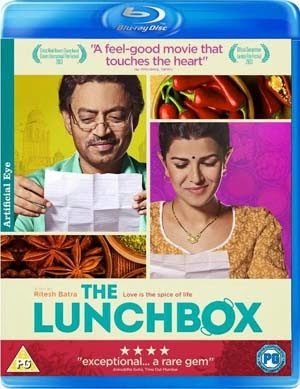
Gort Vibes Cinema Club will be screening The Lunchbox in Gort library

Gort Vibes Cinema Club will be screening The Lunchbox in Gort library at 8pm on Thurs. 4th December.
Some romances are written in the stars. Others, it would seem, can be chalked up to a misread street map. When a lunchbox painstakingly prepared by Ila (Nimrat Kaur) for her emotionally distant husband is mistakenly delivered to Saajan (the wonderful Irrfan Khan, Life of Pi), the under-appreciated Mumbai housewife and lonely accountant strike up an intimate correspondence. Continuing to use Mumbai’s legion of lunch couriers as their go-betweens, they share increasingly involved letters detailing their inner thoughts and life stories. The tinges of disappointment and regret that punctuate these missives reflect the enticing soulfulness of Ritesh Batra’s debut. In turn, there’s exhilaration to be had watching these characters realize that their futures are unwritten. But will they put down their pens and overcome the obstacles keeping them from one another? - Vancouver International Film Festival 2013

Thursday, November 20, 2014

Activities in Ballybane Library

Recent 'Monster' Art Workshop
Jay Ryan of Pignut Puppets performing for Children from Scoil Chaitríona
Exhibition Of World War1 Poets

Halloween Story time
Storytelle,r Niaill de Burca read to 5th Class students from Briarhill NS as part of Galway County Council's   Decade of Commemoration events entitled 'Where the Poppies Grow'